7 Costly Mistakes Investors Make When Ignoring Market Sentiment
Investing is often portrayed as an exercise in spreadsheets, earnings multiples, and discounted cash flow models. Yet, any seasoned professional will tell you that the market is entirely run by human beings, and human beings are inherently irrational. When you ignore the underlying psychological current of the market—market sentiment—you are effectively driving blindfolded. You may have the perfect vehicle (a great stock pick), but if you don't realize you're heading off a psychological cliff, the outcome will be disastrous.
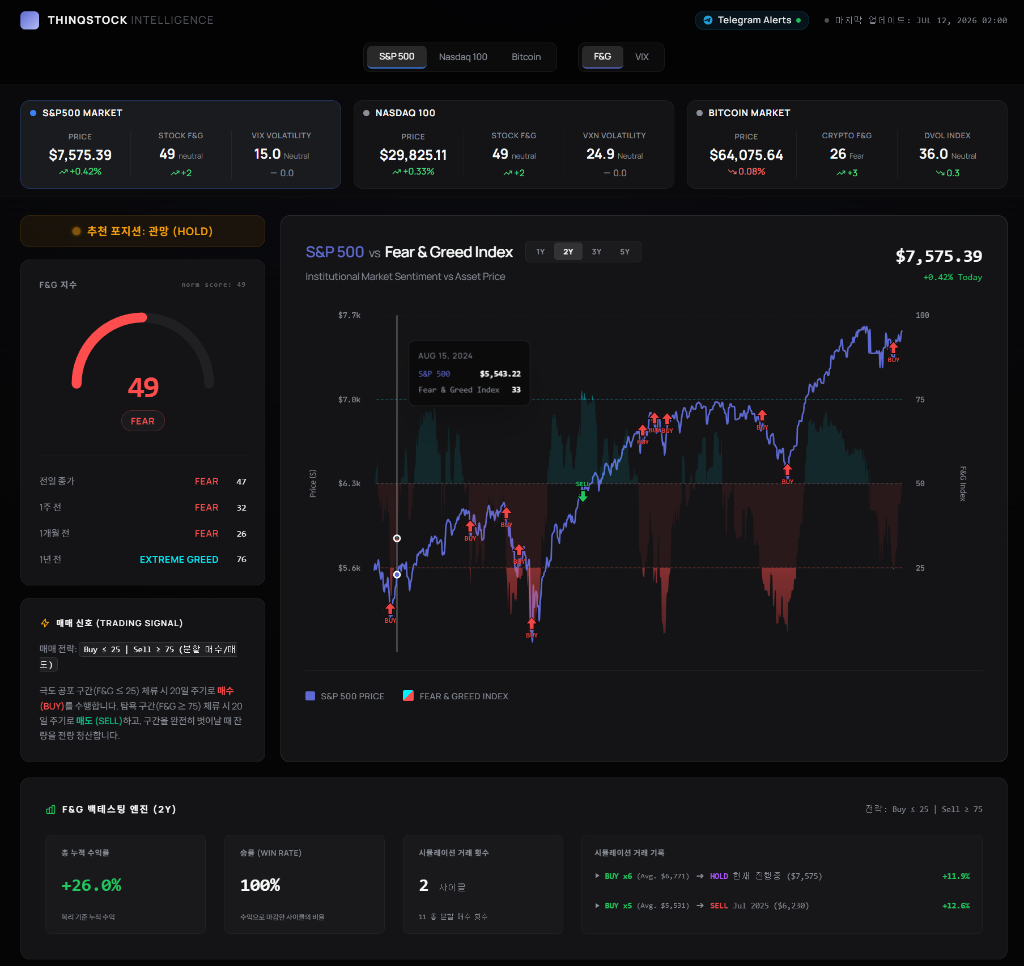
Behavioral finance has proven time and again that our hardwired survival instincts make us terrible natural investors. We are biologically programmed to run away from pain (selling at the bottom) and herd with the group (buying at the top). The Fear & Greed Index is designed to quantify these emotions, offering an objective counterbalance to our own biases. Below, we dissect the seven most destructive and costly mistakes investors make when they choose to ignore market sentiment, complete with real-world examples and actionable strategies to avoid them.
1. Chasing Momentum at Peak Greed (The FOMO Trap)
The most common and devastating mistake retail investors make is deploying massive amounts of capital at the absolute peak of market euphoria. When the Fear & Greed Index registers above 85, it indicates that almost everyone is fully invested, margin debt is maxed out, and risk is being ignored. This is the exact moment the media celebrates the "unstoppable" market, triggering severe FOMO (Fear Of Missing Out) in those sitting on the sidelines.
Real Example: In November 2021, tech stocks and crypto were going parabolic. The Fear & Greed Index was pegged in the 90s. Investors who ignored this extreme sentiment and chased the momentum bought growth stocks at historic valuations, only to suffer 60-80% losses over the following 12 months.
How to Avoid: Create a hard rule: Never initiate a full-size position in a high-beta asset when the broader market sentiment reading is above 80. Force yourself to wait for the inevitable pullback.
2. Panic Selling at Extreme Fear (The Capitulation Mistake)
This is the reverse of the FOMO trap. When the market suffers a severe correction, the headlines turn apocalyptic. The Fear & Greed Index drops below 20. The psychological pain of watching your portfolio bleed day after day becomes overwhelming, and the instinct to "stop the bleeding" kicks in. Selling during extreme fear turns temporary, unrealized drawdowns into permanent capital destruction.
Real Example: In March 2020, as the pandemic reality set in, the index hit single digits. Millions of investors liquidated their retirement accounts into cash, convinced the financial system was collapsing. They missed out on the most violent V-shaped recovery in history.
How to Avoid: Recognize that a reading below 20 means the worst is likely already priced in. When you feel the overwhelming urge to sell everything, that is precisely the psychological signal that a bottom is forming. Walk away from the screen.
3. Dollar-Cost Averaging Without a Sentiment Filter
Dollar-Cost Averaging (DCA) is a fantastic strategy for passive, long-term wealth building. However, blindly deploying cash on the 1st of every month regardless of market conditions leaves significant alpha on the table. If you DCA into a market that is flashing Extreme Greed, you are buying assets at a premium.
How to Avoid: Implement a "Smart DCA" strategy. Continue to save your cash monthly, but scale your deployments based on sentiment. If the index is above 75, hold your cash allocation. When the index drops below 35, deploy your accumulated cash aggressively. This simple filter ensures you buy more shares when they are on sale and fewer when they are overpriced.
4. Ignoring VIX Complacency
The Fear & Greed Index is a composite of several indicators, but one of the most critical is the VIX (Volatility Index). A major mistake investors make is focusing solely on price action and ignoring implied volatility. When the market is steadily climbing but the VIX drops to historically low levels (e.g., below 13), it signals extreme complacency. It means institutions have stopped buying insurance (puts) because they assume the market can only go up.
"Complacency is the silent killer of portfolios. A low VIX doesn't mean the market is safe; it means the market is entirely unprepared for a shock."
How to Avoid: If you are heavily long and notice the VIX grinding into the low teens while the S&P 500 hits all-time highs, it is time to tighten your stop-losses or purchase cheap downside protection before the crowd rushes for the exits.
5. Using Crypto Fear & Greed to Predict Stock Moves (And Vice Versa)
Market sentiment is not universal. Equities and cryptocurrencies operate on different liquidity cycles, have different investor demographics, and are driven by different macro narratives. A common mistake is looking at the Bitcoin Fear & Greed Index (which might be showing extreme greed due to a halving event) and assuming the S&P 500 is equally overextended.
Real Example: Throughout late 2023, the S&P 500 experienced significant volatility and periods of fear regarding interest rates, while Bitcoin simultaneously enjoyed a massive pre-ETF rally driven by crypto-specific greed. Conflating the two would have resulted in terrible trades.
How to Avoid: Always use asset-specific sentiment indicators. ThinqStock separates broad market equity sentiment from crypto-specific volatility metrics for this exact reason.
6. Skipping the Cooldown Period
Market crashes are chaotic. When a major sell-off occurs and the Fear & Greed Index plunges to 10, eager investors rush in to "buy the dip" on day one. However, extreme panic rarely dissipates overnight. After a massive volatility shock, the market requires a "cooldown period" to digest the damage and build a structural base. Buying the first red candle in a liquidation cascade is akin to catching a falling knife.
How to Avoid: Wait for the divergence. Do not buy just because the index hit 10. Wait for the index to stop falling, stabilize, and begin ticking upward (e.g., crossing back above 20) while the price action simultaneously forms a higher low. Let the market prove to you that the sellers are exhausted.
7. Treating the Fear & Greed Index as a Precise Timing Tool
This is perhaps the most sophisticated mistake. The Fear & Greed Index is a gauge of probability, not a crystal ball. Extreme greed does not mean the market will crash at 9:30 AM tomorrow. Markets can remain irrational and overbought for months. If you short the S&P 500 the exact minute the dial hits 80, you will likely get run over by momentum.
The Fix: Use the index as an environmental risk gauge. When it hits 80, it means it is raining. You don't know exactly when lightning will strike, but you know you shouldn't be standing in an open field holding a metal pole. Adjust your risk exposure gradually, rather than making binary, all-or-nothing bets.
Conclusion: Mastering Your Own Psychology
The stock market is a mechanism for transferring wealth from the impatient to the patient, and from the emotional to the disciplined. By understanding and respecting market sentiment, you are essentially outsourcing your emotional regulation to an objective mathematical framework. You avoid the FOMO, you ignore the panic, and you execute your strategy with cold precision. The ThinqStock platform is designed precisely for this purpose—providing you with the real-time data necessary to stay rational when the rest of the world goes mad.